

Do you sometimes talk out loud to someone who’s no longer here while doing the dishes, in the car, or at night before going to sleep? If so, you might be wondering if they can hear you. Can your deceased parent, partner, child, or friend still hear you? And might they also want to tell you something?
After experiencing a loss, many people feel the need to connect with those who have passed away. At the same time, they are reluctant to talk about it, for fear of being looked at strangely. Yet the desire to remain connected to those you love is a very human one.
Author José den Ronde-van Dun knows all about that. She was 15 when her childhood sweetheart, Jozef, died in an accident, but it wasn’t until forty years later that she began asking him all sorts of questions and received answers through automatic writing.
That was the start of dozens of questions, during which Jozef, acting as a guide, offered a glimpse into life in the Afterlife and how they view grief, sorrow, loss, and staying in touch “at Home.” All those answers were so helpful and so valuable that Jozef encouraged José to compile them into a book. And that’s how the books * Doodgewoon * and * Jozef vertelt verder* came to be.
In this article, you'll learn what Jozef recommends in his books to help you connect more deeply with your deceased loved ones and learn to be open to their answers.
How do you address a deceased loved one?
Connecting with deceased loved ones is easier than you think. Just take a moment to relax. Sit down, breathe calmly, and focus your attention on your loved one. Recall a fond memory so you can clearly picture that person. Then say his or her name.
Next, ask your question in your mind or out loud. If you enjoy writing, you can also write down your question. Then pause for a moment and see if a thought suddenly comes to mind. Trust that an answer will come—maybe not right away, but later. Write down that answer and don’t judge it. Sometimes the answer is very different from what you expected, but it’s exactly what your loved one wants you to know.
Later on, also pay attention to any other inspirations or signs you receive. Because, according to Jozef, the deceased want nothing more than to connect with us.
Are our deceased loved ones really still close to us?
According to Jozef, yes. When someone passes away, they leave only their body behind and take their personality with them to Home, as he calls the Afterlife. From there, the deceased watch over their loved ones on Earth and are there as soon as you think of them. Jozef puts it this way: “Even if you call our name just once, we’re there right away!”
Are you afraid that calling out to a deceased person might disturb them? There’s no need to worry. Jozef has noticed that many people find it difficult to call out to a deceased person, but he says it’s impossible to disturb them. In fact, he encourages you to reach out—especially when things are tough.
When is a deceased loved one ready to make contact?
That varies from person to person. According to Jozef, it’s common for someone who has been ill for a long time to want to take some time to recover first. So give your loved one some time to rest. He calls waiting a few months a general rule of thumb, although some other deceased people are ready to communicate right away. You’ll know instinctively when someone is ready.
It is true, however, that most of the deceased are present at their own funerals to comfort their loved ones. Because they want nothing more than for you to stop worrying about them, move on, and feel as little sadness as possible.
What signs do the deceased give?
In * Doodgewoon *, Jozef lists a whole series of signs from the deceased that they use to let you know they’re there for you. A butterfly or bird that crosses your path. Light suddenly dancing through your home. A sudden scent or a gentle breeze. A song on the radio or a line from a song lyric. Goosebumps. Or a whisper in your ear at night, which you later think you just dreamed up.
Why not ask for a sign yourself? Think deeply about your loved one and ask for a clear sign. If the same sign keeps appearing, he says it’s from a deceased loved one who is watching over you.
Are you wondering if a sign is just a coincidence?
Jozef takes a down-to-earth view of this. You can call it a coincidence, he says, but if a sign like that suddenly makes you think of a loved one, then trust that feeling.
How do you stay in touch without clinging to your loved one?
Contact is different from holding on. Jozef puts it this way in * Doodgewoon *: “We will always love you, but don’t hold on to us, because then we can’t continue to grow.” So let go of your loved one with love and, step by step, get your own life back on track.
Send love when you think of someone. According to Joseph, it’s always felt. Feel free to smile again, because it actually makes the deceased happy when you smile again. And if your deceased loved one isn’t reachable, respect that and accept it without judgment. That, too, is love.
From Loss to Connection
Those who believe that the connection continues after death can cope with the loss in a different way. You don’t have to forget your loved one to move on with your life. Be still, say their name, pay attention to signs and your intuition, and let your love flow.
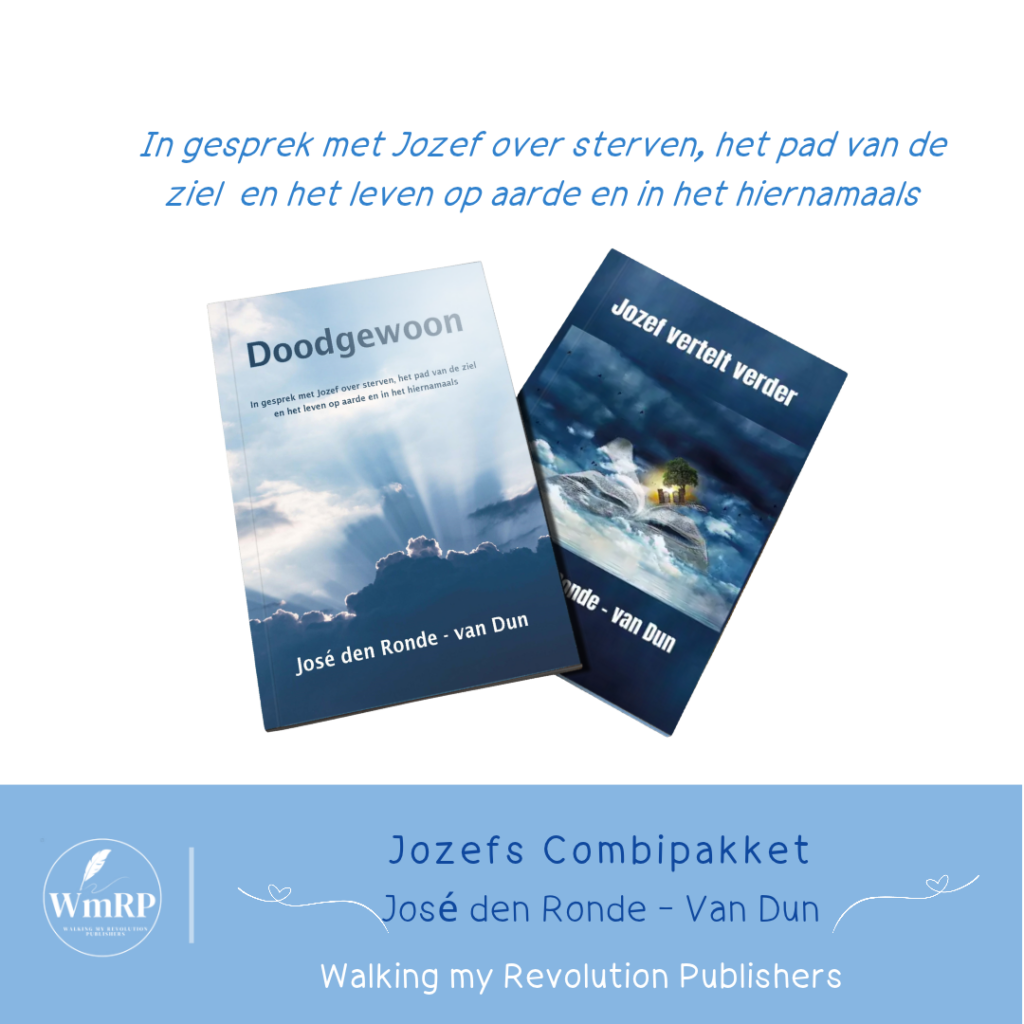
Curious to hear what else Jozef has to say?
In the books Doodgewoon and Jozef vertelt verder Jozef answers José’s questions about death, the afterlife, grief, and life on Earth. The answers are short but powerful and written in simple language. Jozef doesn’t like all the fuss and tells it like it is, so that you can learn what you need to know about grief, the grieving process, the afterlife, and your path as a human being and as a soul.
Both books are available exclusively through our online store and also as Jozefs Combipakket or as an e-book.
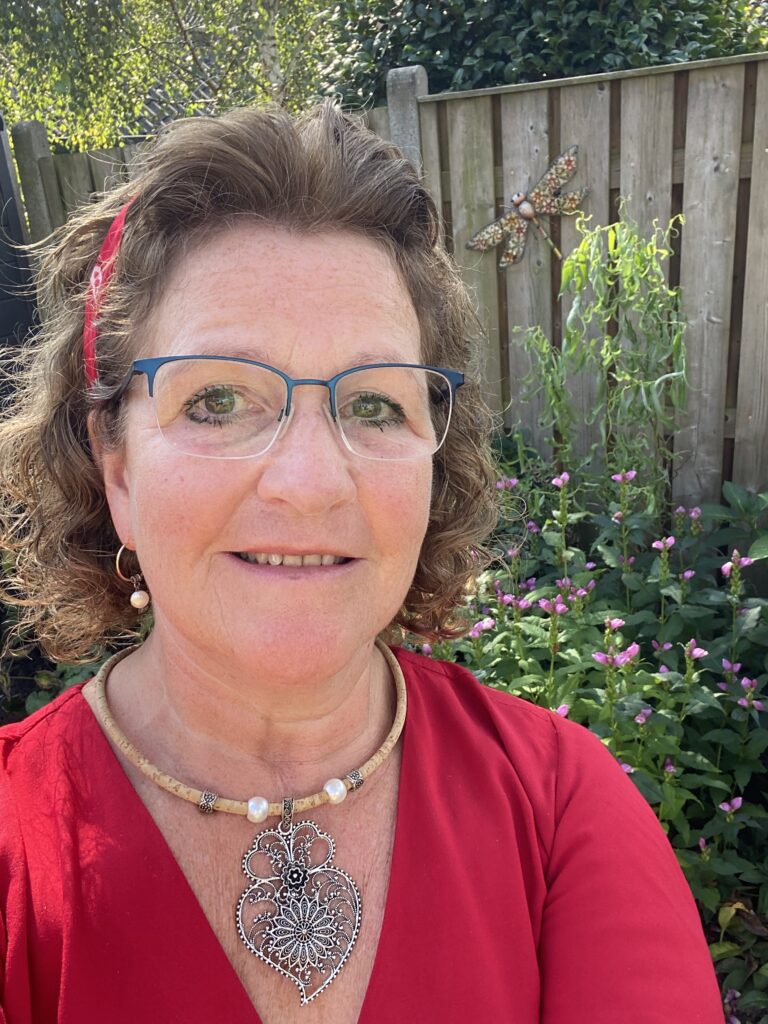
About José den Ronde-van Dun
Among other things, José den Ronde-van Dun volunteered at a hospice and maintained extensive contact with Jozef for many years through automatic writing. Her mission is to make death, dying, grief, and the afterlife more open topics of discussion, so that people can discover that these are things they don’t actually need to be afraid of.
Would you like to follow her? Check out her author page for the latest information about her website and social media accounts.