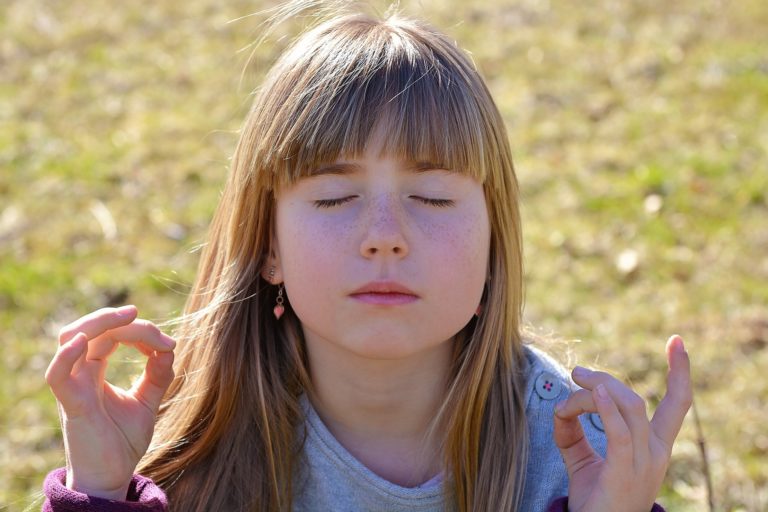

How do you take care of yourself when you're always there for others?

How do you take care of yourself when you're always there for others?
For many of us, taking care of others is simply second nature. Alongside your normal daily routine, you take care of the housework and, when you go grocery shopping, you don’t just buy for yourself—you pick up a few things for others while you’re at it. In the evening, you call that one friend who’s going through a tough time, and when you have the chance, you regularly babysit other people’s kids. And as if that weren’t enough, you also help others with odd jobs and make time for appointments and outings.
Before you know it, your day and week are so packed again that there’s no room left for self-care. And if you do manage to do something for yourself, you’re often plagued by guilt. Which is actually strange, because good self-care is the foundation. It’s precisely what allows you to be there for yourself and others.
That’s why, in this blog, we’re sharing tips with you based on the work of Anna Webbink and her book Look at Yourself. You’ll learn how to look at self-care in a different way and what’s most important when it comes to self-care.
Is it selfish to take care of yourself first?
No, not at all. In fact, it’s very important that you take care of yourself first and only then take care of someone else. If you always put yourself last, you’re giving away your own energy.
Anna also explains why. Only when you truly love yourself can you give love without draining yourself. So taking care of yourself is neither a luxury nor selfishness. It’s the prerequisite for being able to continue to be there for someone else.
Part of that is that giving is a two-way street. For example, if you bring soup and groceries to a sick friend, it’s nice to know you can turn to her another time if you need something. A simple “thank you” goes a long way, too. If you never get anything in return, the balance is lost and frustrations arise. According to Anna, you’ll eventually feel that in your body.
How can you tell when you're putting yourself last?
Putting yourself last often happens so naturally that you don't even realize it. Anna lists a few signs:
- You're helping people who haven't asked for help at all.
- You're solving problems that the other person is perfectly capable of solving on their own.
- Helping someone else feels more important than taking good care of yourself.
- And even though there are people all around you, you still feel lonely.
Do you recognize yourself in this? If so, your behavior shows that you’re trying to please others instead of doing what feels right to you. You’re making everyone else happy at your own expense.
Try to let go of that, step by step. In doing so, you’ll also give yourself the space to be more of who you truly are.
How do you help someone without burning yourself out?
One of the most insightful lessons in Anna’s book is about the difference between empathy and pity. Anna once spoke with a woman who was very sad because her daughter was unable to get pregnant. She felt her daughter’s pain deeply. Anna asked her what that empathy actually did for her daughter. The answer was: nothing. The only result was that the mother herself felt terrible as well.
Showing empathy and offering support is great. Think things through with someone, offer a shoulder to cry on, and feel free to share how it makes you feel. But also give the other person the space to go their own way in their own way.
You don't have to carry someone else's sorrow to show that you care about them. Of course, it's okay to cry for a moment or worry briefly, but be careful not to let that become a burden you carry around with you.
That’s certainly true if you’re a caregiver. You’re already doing so much. If, on top of that, you take on all of the other person’s worries and grief, you won’t be able to keep it up. Offer support where you can and leave the rest to the other person. That, too, is love—for the other person and for yourself.
What signs does your body give when you're pushing yourself too hard?
Listening to your body is one of the most important forms of self-care. Do you suddenly feel very tired, or do you feel a headache coming on? If so, see it as a signal. Take a moment to rest, eat something, or drink a glass of water. If that’s really not possible right then, let your body know that you’ve heard the message and that you’ll act on it as soon as possible.
If the symptoms keep coming back, ask yourself a few honest questions.
- Are you feeling overwhelmed? Then literally take a step back.
- Do you push away emotions you'd rather not feel? Take a look at them and explore them.
- Do you find yourself doing a lot of things you don't really enjoy? Figure out what you do enjoy doing and how you can spend more time on it.
- Do you feel unappreciated? Then ask yourself: Who are you actually expecting that appreciation from, and why? Because, really, there’s only one kind of appreciation that truly matters: your own! Give yourself the appreciation you’d so love to receive from someone else. You don’t have to wait for it, and you can always express it in whatever way you need right now.
So you have many more opportunities to make adjustments and gain control over how you spend your time and how you go about it. As long as you listen to yourself.
What can you do for yourself every day?
Self-care doesn't have to be a big deal. Experience shows that taking a quarter of an hour to twenty minutes to completely relax in between all your activities can make a huge difference. Afterward, you'll be ready to tackle things again. Make sure to schedule a moment like this on busy days.
And be careful not to take on too much. Setting boundaries starts with deciding for yourself whether you'll do it and when you'll do it.
Treat yourself every now and then. Take a day off, run a foot bath, or relax in a nice bath. Listen to music that makes you happy, take a walk in nature, or have coffee with a friend you haven’t seen in a long time. These are small things, but they let you know that you matter, too.
Self-Love Exercise
Anna also includes a self-love exercise in her book. Give it a try.
It might feel a little awkward, but this is a simple act of self-care that has a greater impact on you than you might expect.
What are you going to start with today?
Anyone who is always there for others has a wonderful quality. You don't have to give that up. You just need to learn to take care of yourself as well.
Every day, choose one thing from this blog and put it into practice. You’ll start to notice that you’re taking better care of yourself and that you can also do something for someone else in a way that has less of an impact on your time, energy, and mood.
About Anna Webbink
Anna Webbink knows firsthand what it’s like to put others before herself. She suffered from a chronic illness for 21 years. As she began to process old pain, she realized how she had always done what others expected of her and how little room she gave herself. She wrote down what she learned afterward in short, direct passages, which now make up the book Look at Yourself .

You can find this book and other titles on self-care and setting boundaries here in our online store.
Newsletter
Do you long for more in life?
Get news, promotions, blogs, podcasts, and free products. Members receive an extra discount.